



 Website piece · Enterprise Plan
Run at scale without interruption
One service fails, the system keeps running
The Website piece for large systems, split into independent services: payments, cart, shipping, inventory. Each service scales under load and is isolated when it fails, so a flash sale or Black Friday does not bring the website down.
Plan your roadmap


When your infrastructure becomes the bottleneck
One minute of downtime at peak can cost a lot in revenue and brand trust.
Traffic spikes
Flash sales, Black Friday and big ad campaigns multiply traffic within hours.
Complex operations, many teams
Payments, inventory, shipping and CRM are developed in parallel and need to ship independently.
Strict security and access control
Each function’s data must be separated, with access controlled per service.
Split up to contain failures
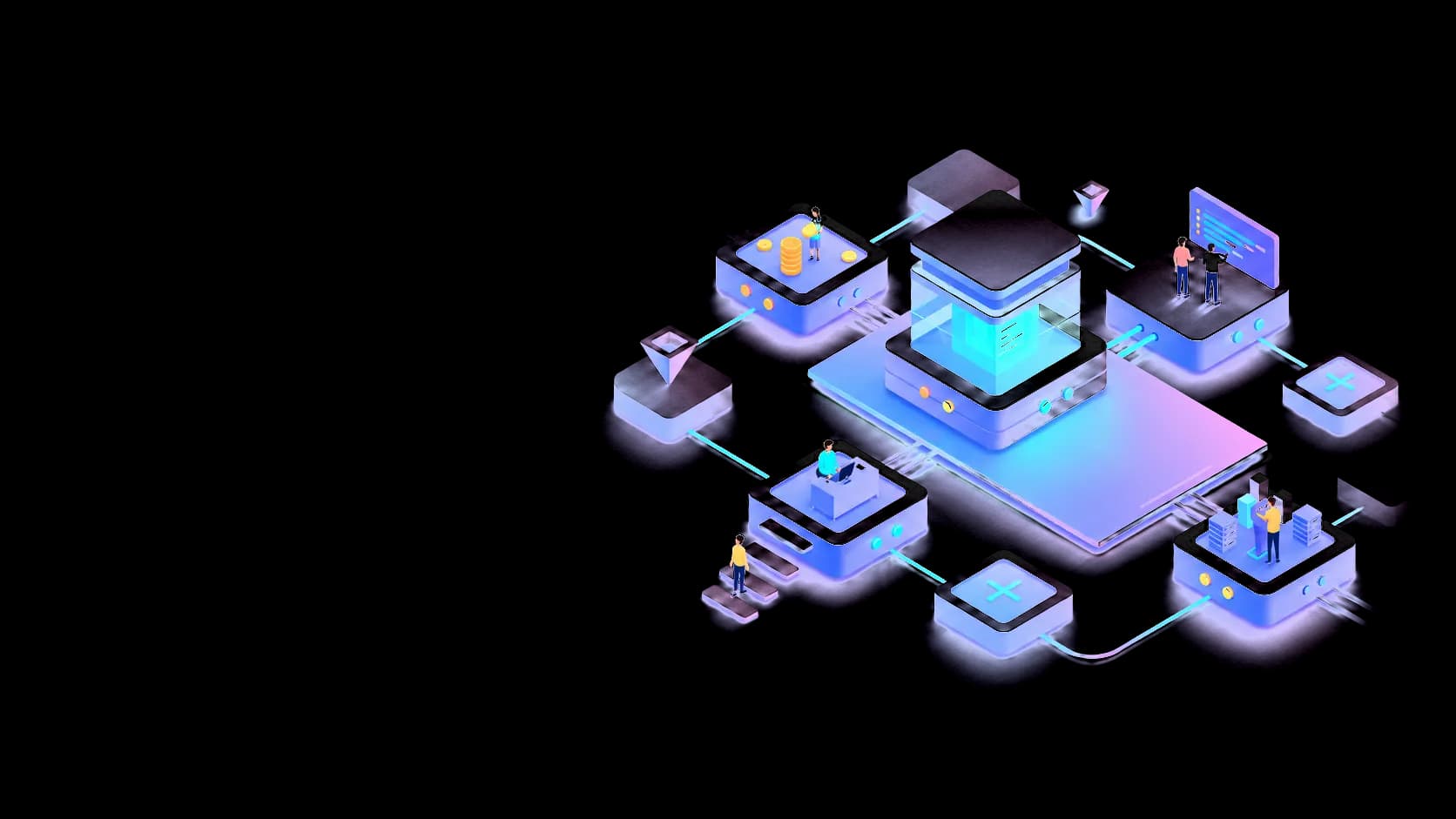
Instead of one big block, the system is made of independent services that talk through an API gateway and webhooks: Saleor for e-commerce and a custom Django hub for your own processes.
A failing service is detected and isolated while the rest keeps serving customers.
Auto-scaling
More servers for exactly the service under load
Failure isolation
A local fault does not take down the platform
Defence in depth
Data separated by service
A larger setup cost that protects revenue long term
The Enterprise Plan is the largest investment of the three, in exchange for stability at a scale the other two struggle to reach.
Setup
Cloud infrastructure (such as Kubernetes), cross-monitoring, and a team of software architects and DevOps engineers.
Peak season
The system adds servers for the service under load (payments, for example) and scales back when the event ends, so you do not pay for idle servers.
Long term
Aiming for zero downtime to protect your brand and cash flow: infrastructure cost becomes insurance for revenue.
A website that records data once
Every plan can connect to the Theweb.vn data core. When customers leave their details or place an order on your website, the data is recorded once and ready for the pieces you add later.
Forms and chat in one customer record
Details customers leave through contact forms or the AI chat on your website go into one record instead of being scattered across inboxes.
Every service reports to the core
Payments, inventory and shipping report changes to the data core, so every team sees the same numbers even though the system is split up.
Add pieces without rebuilding the website
Business management, Marketing, Email and Zalo, and the AI assistant (in development) will read the same data when you add them.
Choose an architecture for your scale
The same criteria for all three plans: start from what you need today and upgrade as your business grows.
Standard Plan
Monolith architecture
- Best for: Startups, MVPs and SMEs that need to launch fast
- Delivery: Fast, with all code in one place
- Upfront cost: Low, one server runs the whole project
- Scaling: Add features within the same system; heavy traffic needs a new architecture
- Tech team: 1–2 full-stack developers or a small team
 WordPress
 Django
 WooCom
High Performance Plan
Headless architecture
- Best for: Omnichannel retailers focused on experience
- Delivery: Medium, split into front end and core
- Upfront cost: About 30–50% more than the Standard Plan
- Scaling: Add apps and sales channels through one shared API
- Tech team: Separate front-end and back-end teams
 Next.js
 Strapi
 Wagtail
Enterprise Plan
Microservices architecture
- Best for: Large groups and high-traffic marketplaces
- Delivery: Longer, with careful infrastructure design
- Upfront cost: High, needs cloud infrastructure and in-depth monitoring
- Scaling: Each service scales on its own under load
- Tech team: DevOps and software architects
 Saleor
- Django
 Microservices
Questions about the Enterprise Plan
When should a business choose Microservices?
When the system serves very many users at once, faces sudden peaks, or has several teams building complex processes. Below that level, the High Performance Plan is usually the more economical choice.
Does it cost much more than the other two plans?
Setup cost is the highest of the three. In return, you optimise server costs at peak and reduce the risk of losing revenue when something fails.
If one service fails, are customers affected?
The failing service is detected and isolated; the others keep working, so the fault does not spread across the platform.
Can we migrate gradually from our current system?
Yes. Functions can be split into their own services one by one, starting with the heaviest load such as payments. An architect will propose a roadmap after reviewing your system.
How do I get started?
Leave your details in the form at the bottom of the page. A Theweb.vn architecture specialist will call you to plan your roadmap, starting with a review of your current system.